Construction Dumpster Rental in Albuquerque, NM
Construction debris arrives in waves. Demolition produces dense, mixed material, framing produces bulky offcuts, and finish work produces packaging and small waste. A container that matches ...
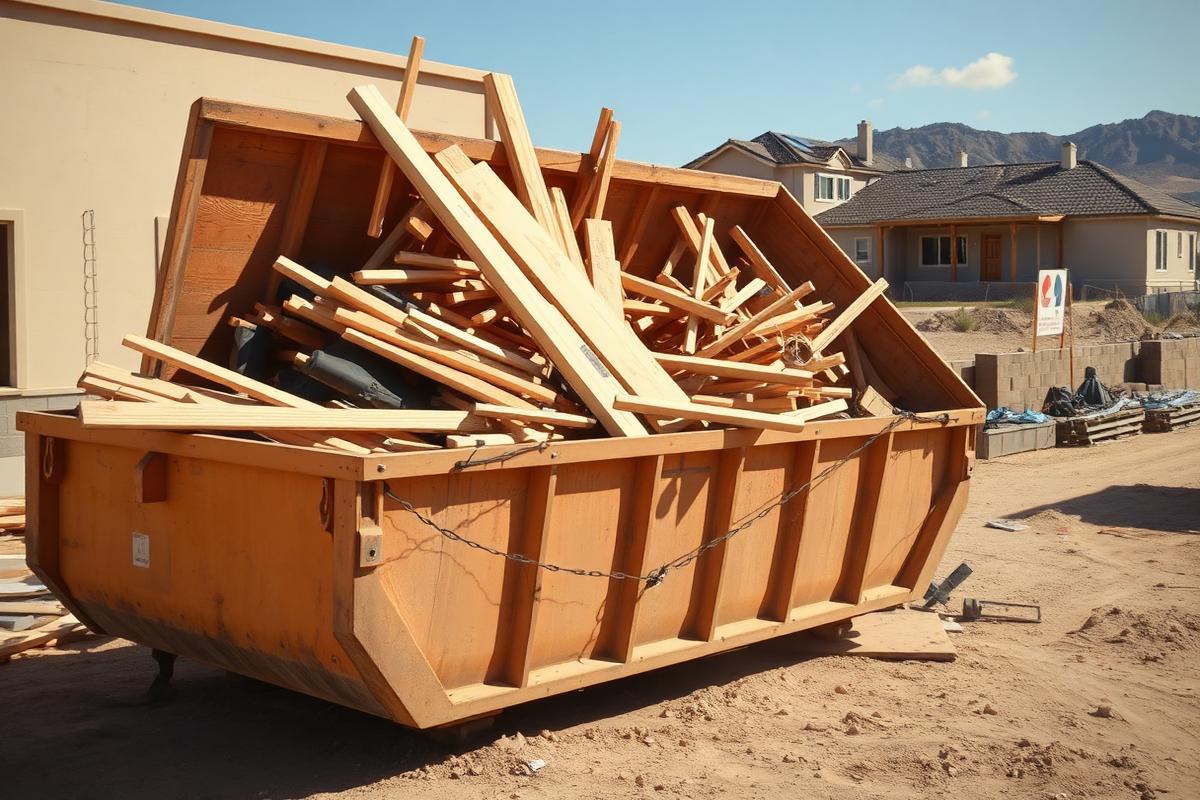
Construction debris arrives in waves. Demolition produces dense, mixed material, framing produces bulky offcuts, and finish work produces packaging and small waste. A container that matches the current phase keeps walkways clear, keeps material out of the dirt and keeps a crew productive.
Construction dumpster rental in Albuquerque works best when the container, the placement spot and the timing are matched to the work in front of you. Planning construction dumpster rental around jobsite debris flow and phase scheduling keeps a project moving instead of stalling while debris piles up on site. A container that suits commercial tenant improvement may be the wrong choice for addition and structural work, which is why we talk through the project before confirming anything.
Service Overview
Items such as paint, solvents, fuels, batteries, tires, appliances containing refrigerant and pressurized tanks commonly require separate handling. Albuquerque properties range from compact lots near the Downtown core to wide desert parcels on the West Mesa, and placement planning changes with each. Sorting as you go, rather than after the fact, saves time on residential demolition and new home framing where salvageable material is mixed with true waste. Most construction dumpster rental projects in the Albuquerque area involve mixed construction and demolition debris, dimensional lumber and sheathing offcuts and drywall, plaster and insulation, and each of those materials loads at a different rate.
When you call (505) 448-1483, it helps to describe the property, the debris and the amount of room available for the container. Loading in layers, flat items first, keeps the load stable and helps you use the full depth of the container instead of only the top half. If the project runs in phases, tell us up front. Sequencing a container around residential demolition is easier to plan than reacting to it mid-project. Wind is a practical concern on open sites: lightweight debris such as insulation, cardboard and roofing felt should be weighted or covered.
- Containers planned around the phase of work, not just the total job
- Keeps debris off finished surfaces and out of traffic paths
- Suited to residential builds, remodels and commercial buildouts
- Guidance on separating clean loads when required
- Scheduling coordinated with your project timeline
Where This Option Fits Best
Keeping a clear, level pad free of vehicles and equipment before the delivery window is the single easiest way to avoid a delay. Loading in layers, flat items first, keeps the load stable and helps you use the full depth of the container instead of only the top half. Items such as paint, solvents, fuels, batteries, tires, appliances containing refrigerant and pressurized tanks commonly require separate handling.
- Residential demolition — Dense mixed debris from tear-out: plaster, tile, framing, fixtures and old finishes.
- New home framing — Offcuts, sheathing scrap, banding and packaging that fill volume quickly.
- Commercial tenant improvement — Ceiling grid, metal stud offcuts, carpet tile and fixture cartons.
- Addition and structural work — A mix of demolition and new-build waste that changes week to week.
- Site cleanup before inspection — Final sweep debris so the site presents cleanly for the next trade.
- Concrete and masonry removal where allowed — Clean loads only, kept separate and confirmed before delivery.
Choosing an Appropriate Dumpster Size
Access is worth checking early: gates, low branches, narrow side yards and tight cul-de-sacs all affect where a roll-off can be set down. When you call (505) 448-1483, it helps to describe the property, the debris and the amount of room available for the container. Talk through residential demolition and new home framing with us and we can point you toward a container size that fits the work rather than one that only fits the budget line.
We confirm size, scheduling and accepted materials for each project rather than quoting a one-size answer over the phone. Wind is a practical concern on open sites: lightweight debris such as insulation, cardboard and roofing felt should be weighted or covered. Underestimating volume is the most common planning error we see. A second haul is always possible, but a single correctly sized container is usually simpler.
Waste and Material Planning
If the project runs in phases, tell us up front. Sequencing a container around residential demolition is easier to plan than reacting to it mid-project. Talk through residential demolition and new home framing with us and we can point you toward a container size that fits the work rather than one that only fits the budget line. Nothing should sit above the top rail of the container. Loads have to be level for safe transport, so plan to break down bulky items where you can.
Underestimating volume is the most common planning error we see. A second haul is always possible, but a single correctly sized container is usually simpler. Items such as paint, solvents, fuels, batteries, tires, appliances containing refrigerant and pressurized tanks commonly require separate handling. When you call (505) 448-1483, it helps to describe the property, the debris and the amount of room available for the container.
- mixed construction and demolition debris
- dimensional lumber and sheathing offcuts
- drywall, plaster and insulation
- metal studs, banding and packaging
- clean concrete, block or brick only where confirmed
Delivery Access and Placement Planning
Items such as paint, solvents, fuels, batteries, tires, appliances containing refrigerant and pressurized tanks commonly require separate handling. If the project runs in phases, tell us up front. Sequencing a container around residential demolition is easier to plan than reacting to it mid-project. Underestimating volume is the most common planning error we see. A second haul is always possible, but a single correctly sized container is usually simpler.
Keeping a clear, level pad free of vehicles and equipment before the delivery window is the single easiest way to avoid a delay. Wind is a practical concern on open sites: lightweight debris such as insulation, cardboard and roofing felt should be weighted or covered. Nothing should sit above the top rail of the container. Loads have to be level for safe transport, so plan to break down bulky items where you can.
Loading the Container Efficiently
Keeping a clear, level pad free of vehicles and equipment before the delivery window is the single easiest way to avoid a delay. Loading in layers, flat items first, keeps the load stable and helps you use the full depth of the container instead of only the top half. Items such as paint, solvents, fuels, batteries, tires, appliances containing refrigerant and pressurized tanks commonly require separate handling.
- Place the container where trades will actually walk, not where it is out of the way
- Set the pad on stable ground so weather does not strand the pickup
- Break down pallets and crating instead of throwing them in whole
- Keep clean fill separated if the disposal plan requires it
- Assign one person to keep the loading area clear each day
Planning the Rental Period
Volume is only half the picture. Weight matters too, because dense loads such as mixed construction and demolition debris fill the allowable weight of a container long before they fill the space. If the project runs in phases, tell us up front. Sequencing a container around residential demolition is easier to plan than reacting to it mid-project. Most construction dumpster rental projects in the Albuquerque area involve mixed construction and demolition debris, dimensional lumber and sheathing offcuts and drywall, plaster and insulation, and each of those materials loads at a different rate.
Sorting as you go, rather than after the fact, saves time on residential demolition and new home framing where salvageable material is mixed with true waste. Rental duration should follow the pace of the work. A tight schedule and a long, phased schedule call for different plans. Keeping a clear, level pad free of vehicles and equipment before the delivery window is the single easiest way to avoid a delay.
What Affects the Cost of a Rental
We confirm size, scheduling and accepted materials for each project rather than quoting a one-size answer over the phone. Summer heat and afternoon monsoon storms shape the working day here, so many Albuquerque area crews load early and cover light debris that can blow loose. Access is worth checking early: gates, low branches, narrow side yards and tight cul-de-sacs all affect where a roll-off can be set down. Driveway protection is simple to arrange. Boards or plywood under the container rails spread the load and protect finished concrete or pavers.
Regional Conditions Worth Planning For
Items such as paint, solvents, fuels, batteries, tires, appliances containing refrigerant and pressurized tanks commonly require separate handling. Clear communication about jobsite debris flow and phase scheduling avoids the two problems that derail cleanups most often: the wrong container, and nowhere to put it. Driveway protection is simple to arrange. Boards or plywood under the container rails spread the load and protect finished concrete or pavers.
Sorting as you go, rather than after the fact, saves time on residential demolition and new home framing where salvageable material is mixed with true waste. Underestimating volume is the most common planning error we see. A second haul is always possible, but a single correctly sized container is usually simpler. Rental duration should follow the pace of the work. A tight schedule and a long, phased schedule call for different plans.
Why Work With Nextdoor Dumpster Rental Albuquerque
Access is worth checking early: gates, low branches, narrow side yards and tight cul-de-sacs all affect where a roll-off can be set down. If you are weighing options for construction dumpster rental anywhere in the Albuquerque area, a short call is the fastest way to get clear answers. Talk through residential demolition and new home framing with us and we can point you toward a container size that fits the work rather than one that only fits the budget line. Items such as paint, solvents, fuels, batteries, tires, appliances containing refrigerant and pressurized tanks commonly require separate handling.
- Residential and commercial dumpster options for a wide range of project types
- Straightforward guidance on container size, placement and rental planning
- Local Albuquerque service area coverage, including nearby communities
- Easy quote requests by phone or through our online form
Describe the project, the debris and the site, and we will help you plan construction dumpster rental that suits the work. If you are weighing options for construction dumpster rental anywhere in the Albuquerque area, a short call is the fastest way to get clear answers. Requesting a quote costs nothing and puts a workable plan in front of you before the first load goes in.
Construction Dumpster Rental: Frequently Asked Questions
Can construction debris be mixed in one container?
Mixed C&D debris is common, but some materials, including clean concrete, masonry and certain recyclables, may need to be separated depending on the disposal outlet. Confirm the plan before loading.
How do I plan containers across project phases?
Estimate the debris each phase generates and schedule accordingly. Demolition and framing usually produce the heaviest and bulkiest waves; finish work produces steadier, lighter volume.
Can the container sit on dirt at a new build?
Firm, level, compacted ground is usually workable. Soft or saturated ground is not, since the truck needs traction and a stable surface for placement and pickup.
What materials are typically excluded?
Paints, solvents, fuels, asbestos-containing material, pressurized tanks and similar items normally require specialized handling. Requirements vary by provider and local rules, so ask first.
Do you work with general contractors?
Yes. Contractors, remodelers and specialty trades all use roll-off containers, and we plan size and timing around the build schedule.
How do I schedule a jobsite container?
Call (505) 448-1483 with the site address, phase of work, debris description and access notes, or submit a quote request online.
Related Pages and Local Guides
Related dumpster rental services
Service areas nearby
Helpful planning guides
- What Size Dumpster Do I Need?
- How Dumpster Rental Pricing Usually Works
- How to Prepare for Dumpster Delivery
You can also return to the Albuquerque dumpster rental homepage, review all dumpster rental services, or request a free quote for your project.
Request a Free Quote for Your Project
Tell us about the debris, the property and your timing. We confirm container size, scheduling and accepted materials for every project.